Quick answer: the Met Gala 2026, on 4 May, opened the Costume Art exhibition with the dress code Fashion Is Art. For visagism, the red carpet works as a case study: sculptural hair, slicked-back styles, painterly skin and graphic liner show how proportion, contrast and texture communicate an idea. The intentions discussed here are hypotheses, not insider information.
The Met Gala is fashion’s biggest annual stage for spectacle. Every year, social media splits between "genius" and "too much". For those of us who work with image, though, there is a third way to look: every beauty look is an exercise in visual language. And extreme exercises help us understand rules we use every day in far more discreet versions.
In this article I offer a technical reading of the types of hair and beauty looks that a theme like 2026’s tends to inspire. I do not comment on anyone’s body or personal life, and I do not attribute intentions to the production teams. The hypotheses are mine and are flagged as such.
What was the Met Gala 2026 theme?
The Met Gala is the benefit dinner that opens the Costume Institute’s annual exhibition at the Metropolitan Museum in New York. In 2026, it took place on 4 May. The exhibition was Costume Art, and the announced dress code was Fashion Is Art.
According to published summaries of the exhibition, it brings together about 400 pieces from the museum’s collection, such as gowns, armour and vases, and explores the dressed body in its diversity. An overview of the event’s history is in the Met Gala entry on Wikipedia.
A theme linking fashion, art and the body invites beauty looks that reference sculpture, painting and art history. That is the vocabulary worth reading.
Why is the Met Gala a visagism laboratory?
In everyday life, visagism seeks consistency between image and identity. At the Met Gala the rule still applies, but the "client" is a concept. Hair and make-up need to:
- read from a distance, in photos and video, in a split second;
- talk to the outfit without competing with it;
- translate the theme into shape, colour and texture.
These three demands appear on a smaller scale at a wedding, a graduation or a professional photo shoot. That is why the red carpet is so instructive.
A technical reading of hair types
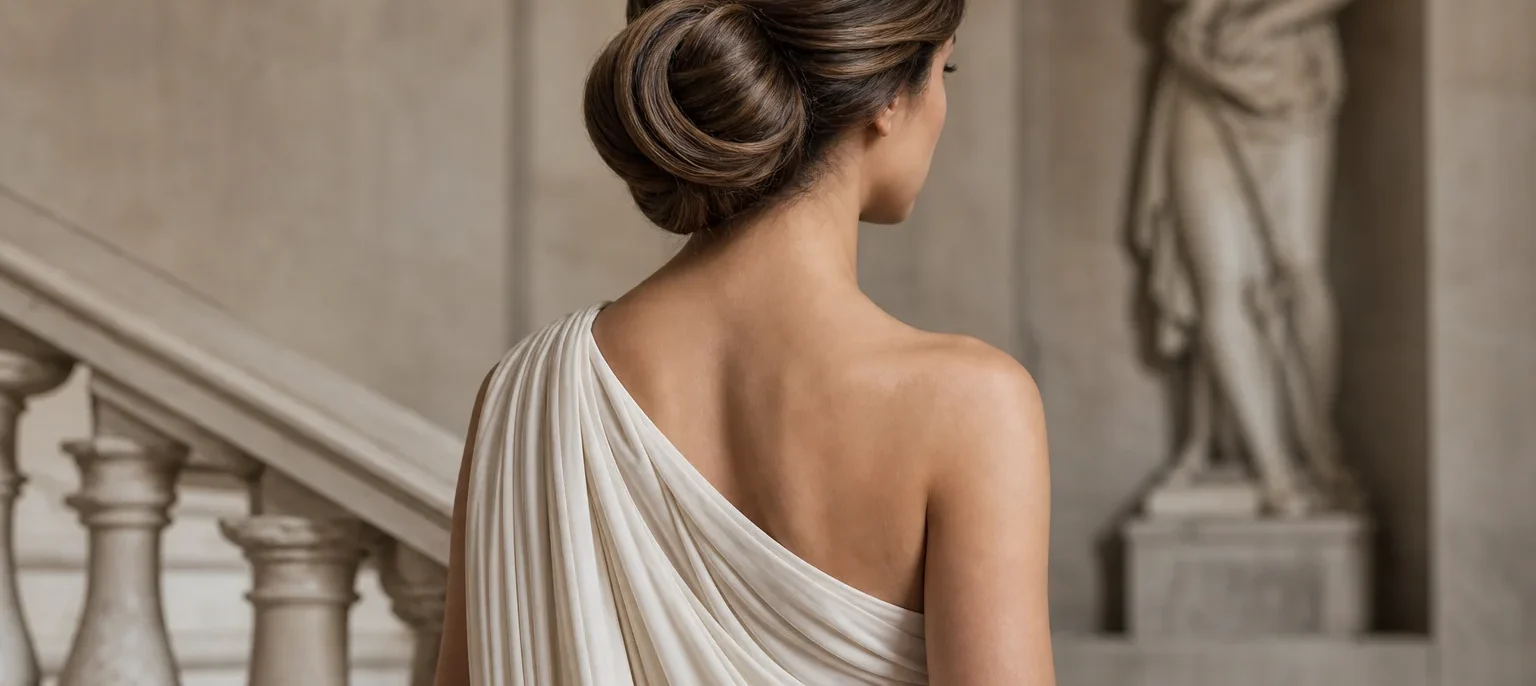
1. Sculptural hair
High buns, geometric volumes and shapes that look modelled in clay or marble.
- Concept: hair becomes architectural volume. The vertical line lengthens the neck and silhouette.
- Hypothesis: in a theme about art and the body, sculptural hair may reference classical statuary, treating the head as part of the artwork.
- In real life: a high, polished bun with moderate volume works for formal events and lengthens the neck.
2. Slicked-back, glossy hair (wet look)
Hair combed back or close to the head, with a wet finish.
- Concept: reducing volume to expose the outline of the face and let the outfit lead.
- Hypothesis: when the gown is very elaborate, slicked hair may be a way of "clearing the canvas", like a neutral frame around a busy painting.
- In real life: it needs features you want to show. On a round face, a little height on top avoids a flattened look.
3. Hair as a frame
Big waves, side volume and lengths that frame the face.
- Concept: hair creates curves around the face and softens angles.
- Hypothesis: references to Romantic painting, where loose, wavy hair suggests movement.
- In real life: loose waves are one of the most versatile choices for events.
4. Head ornaments and accessories
Tiaras, nets, flowers, jewellery in the hair and pieces that look like sculptures.
- Concept: the accessory becomes a focal point and shifts the centre of attention on the face.
- Hypothesis: in an art theme, ornaments may work as direct quotations of historical portraits.
- In real life: one focal point is enough. If the earrings are large, the hair accessory should be minimal.
5. Natural texture as a statement
Curls, coils and braids in elaborate shapes.
- Concept: texture is the main language; volume draws the silhouette.
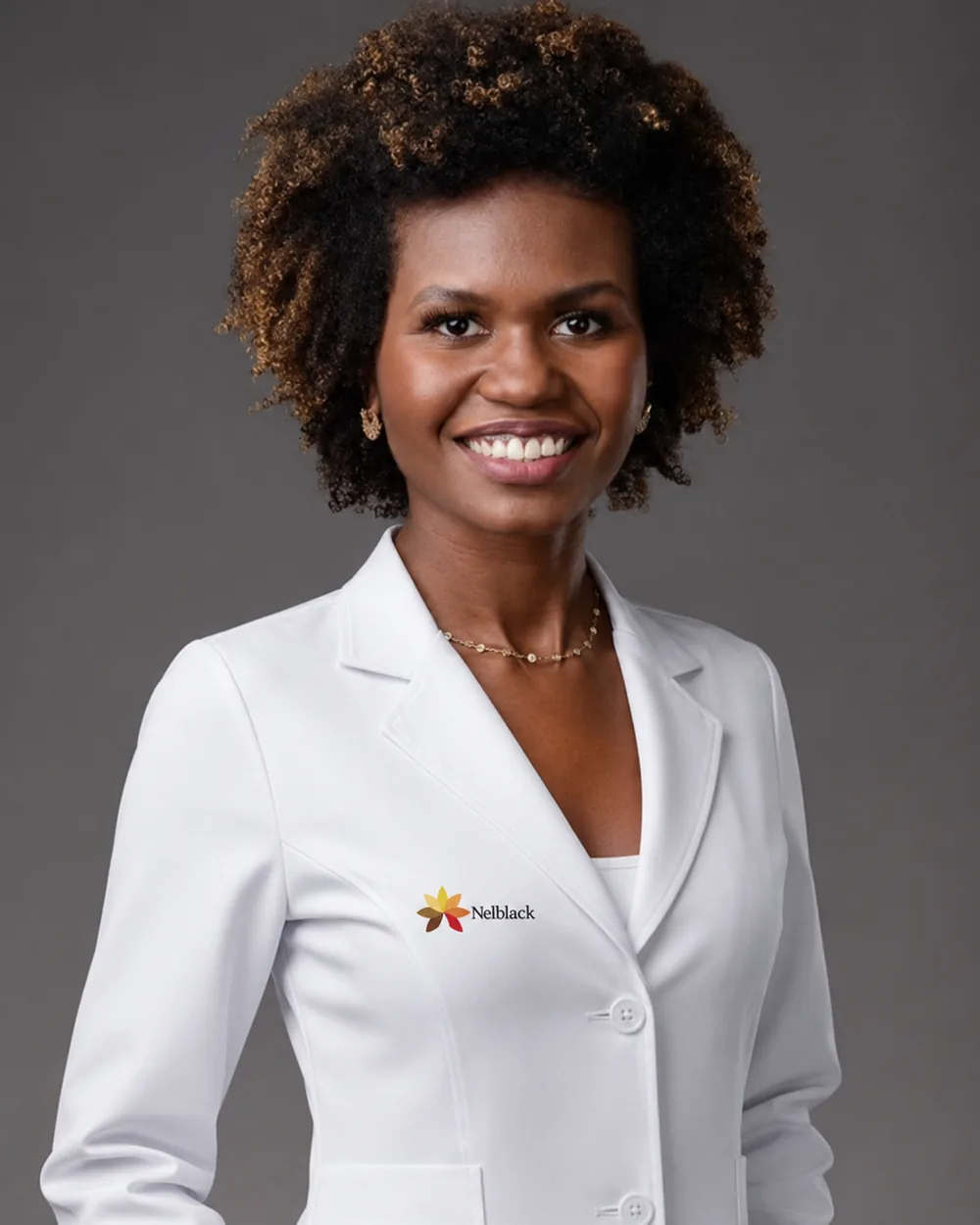
- Hypothesis: in an exhibition about the diversity of bodies, natural texture can be read as part of the theme’s message.
- In real life: showing off texture at events needs a well-shaped cut and planned styling. See afro haircuts for coily hair.
A technical reading of beauty looks
| Beauty look type | Technical tool | Most common message | Everyday version |
|---|---|---|---|
| Painterly skin | Blush and highlighter over wide areas, "brushstroke" effect | Romance, art | High, diffused blush on the cheekbones |
| Graphic liner | Geometric lines, colour or negative space | Modernity, boldness | A fine elongated flick |
| Monochrome | Same colour on eyes, lips and cheeks | Unity, concept | Close tones of terracotta or rose |
| Bare, polished skin | Minimal base, natural glow | Freshness, naturalness | Prepped skin and spot concealer |
| Sculpted lips | Defined outline, intense colour | Power, drama | A strong lipstick with light eyes |
What the red carpet teaches about proportion, contrast and message
Proportion
Big volumes need balance somewhere else. A sculptural bun with large earrings and a voluminous gown can "fight". The red carpet shows that choosing one lead element is what organises an image.
Contrast
People with high natural contrast (dark hair and fair skin, for example) carry more graphic looks. People with low contrast usually look more harmonious in close tones. It is one of the most useful rules in visagism, and the red carpet makes it very clear.
Texture
Glossy, slicked hair with matte fabric; textured hair with smooth fabric. Combining opposite textures creates interest without needing colour.
Message
No look is neutral. Slicked hair says "look at the outfit"; sculptural hair says "look at the whole"; natural texture says "look at me as I am". The basis of this reading is in what visagism is and how it works.
How to bring the Met Gala 2026 into real life
- Choose a concept, not a look. For example, "classical art" becomes a polished low bun and luminous skin.
- Pick a lead element: hair, eyes, lips or accessory.
- Respect your hair texture instead of fighting it.
- Think about photos and time: the hairstyle has to last the whole party.
- Do a trial, ideally 2 to 4 weeks before the event, so there is time to adjust.
- Plan for duration: a party hairstyle needs to last 6 to 8 hours of photos, heat and dancing.
For brides, graduates and guests
- a soft sculptural bun for gowns with straight lines;
- loose waves for flowing dresses;
- slicked hair to highlight earrings and neckline;
- styled natural texture if you want to recognise yourself in the photos.
Frequently asked questions
The Met Gala 2026 took place on 4 May and opened the Costume Art exhibition at the Metropolitan Museum’s Costume Institute. The announced dress code was Fashion Is Art.
Because the Met Gala is a themed, performative event. Hair works as part of the artwork: it can become a sculpture, a frame or a reference to a period in art. The exaggeration communicates the concept to the cameras.
You can wear the principle, not the copy. A sculptural bun becomes a polished low bun; graphic liner becomes a fine elongated flick; painterly skin becomes well-placed blush.
No. The analysis is technical and covers the types of beauty looks that usually appear at themed events such as the Met Gala. The intentions discussed are visagism hypotheses, not behind-the-scenes information.
Turn inspiration into personal image
Events like the Met Gala are great for training your eye. The next step is to translate those ideas to your face, your texture and the occasion, without looking like a costume and without losing your identity.
In the Visagism Consultation, I analyse your face, features and personality and recommend hair, make-up and accessories for everyday life and special occasions, with the reason for each choice.
Want to learn to do your own party make-up? The Self-Makeup Class teaches skin prep, smoky eye and highlighter in 3 hours of practice.
Nelma Faleiro holds a degree in Visagism and Hair Therapy from Universidade Anhembi Morumbi, where she lectured for 10 years, and received the SINVISA 2025 Award. The readings in this article are technical hypotheses and do not refer to behind-the-scenes production details.