Quick answer: scalp folliculitis is inflammation of the hair follicles, showing up as red or pus-filled bumps around the hairs, with itching, burning or pain. It can be caused by bacteria, yeast, friction, oiliness, sweat and occlusive products. Do not squeeze. Bumps that hurt, spread or keep coming back need a dermatologist’s diagnosis.
"I have spots on my scalp" is a common complaint — and often what the person describes is scalp folliculitis. The bumps itch, hurt when combing, sometimes bleed when scratched and return after a few days. It seems simple, but the cause may be bacterial, fungal or irritative, and each calls for a different approach.
In this guide you will understand what folliculitis is, what usually causes it, what makes it worse and when it needs a doctor.
What is scalp folliculitis?
Folliculitis is inflammation of the hair follicle, the structure the hair grows from. On the scalp, it appears as:
- papules (raised red bumps) around the hairs;
- pustules (bumps with pus in the centre);
- itching, burning or pain, especially when combing or tying the hair;
- crusts after the bumps break.
According to the American Academy of Dermatology, folliculitis can look like acne and has several possible causes; many mild cases improve with care, but persistent ones need treatment.
What are the most common causes?
| Cause | How it usually looks | Notes |
|---|---|---|
| Bacteria (mainly Staphylococcus) | Pus-filled bumps, pain | The most common; may need antibiotics |
| Yeast (such as Malassezia) | Small bumps, intense itching, oily scalp | Linked to oiliness and heat |
| Friction and occlusion | Bumps where caps, helmets or hats sit | Sweat and heat make it worse |
| Shaving and razors | Bumps after shaving the head | Ingrown hairs also contribute |
| Occlusive products | After heavy oils and pomades on the roots | They block the follicle opening |
| Low immunity and other conditions | Recurrent or widespread cases | Needs medical investigation |
Deeper forms, such as folliculitis decalvans or dissecting cellulitis, are rare but can leave scarring and permanent hair loss. That is why recurrent, painful bumps or areas of hair loss need a dermatologist.
What makes folliculitis worse?
- Built-up sweat, especially after exercise, without washing the scalp;
- Caps, helmets and hats worn for many hours;
- Oils and pomades on the roots;
- Sleeping with wet hair;
- Scratching and squeezing the bumps;
- Sharing combs, towels and caps;
- Unclean razors for shaving the head;
- Washing an oily scalp too rarely.
Folliculitis in specific situations
After shaving your head
A razor cuts hair flush and can irritate the follicle opening; as hairs grow, some curl back and become ingrown. To reduce the risk, use a new, clean blade, shave in the direction of growth, moisturise afterwards and avoid shaving over active bumps. Clippers with a guard usually irritate less than a blade.
If you exercise often
Sweat, heat and caps or helmets create a damp, stuffy environment. Wash your scalp the same day as your workout, even if only with a mild shampoo, and let caps and headbands dry fully between uses.
With braids, extensions and tight styles
Very tight styles cause tension and irritate follicles, and difficulty washing the roots encourages sebum and product build-up. Choose braids without tension, wash the scalp with a nozzle applicator between braids and do not keep the same style for more than 6 to 8 weeks.
In children
Bumps on a child’s scalp may be folliculitis, but also lice, impetigo or ringworm. Assessment by a paediatrician or dermatologist is essential before using any product.
Folliculitis, acne or dermatitis: how can you tell?
The exact distinction is medical, but some clues help:
- Folliculitis: bumps centred on the hairs, sometimes with pus;
- Seborrheic dermatitis: yellowish, greasy flaking, patchy redness, itching — see dandruff or seborrheic dermatitis;
- Psoriasis: thick, silvery, well-defined plaques;
- Contact dermatitis: redness and itching after a new product or hair dye;
- Head lice: intense itching, nits attached to the hairs.
Folliculitis myths
"It’s poor hygiene." Not always. Very careful people get folliculitis too. Friction, oiliness and individual sensitivity play a part.
"Toothpaste dries out the bump." No. It irritates the skin and can worsen inflammation.
"Vinegar fixes it." There is no good evidence, and it can sting and irritate open lesions.
"If it’s gone, it’s cured." Many cases of folliculitis return while the trigger remains. Understanding the cause is what prevents relapses.
What does treatment involve?
Treatment depends on the cause and should be guided by a dermatologist. It may include:
- Antiseptic or antifungal shampoos, depending on the agent;
- Topical or oral antibiotics, in bacterial cases;
- Antifungals, when the cause is fungal;
- Adjusting habits — washing, sweat, caps, products;
- Investigation, in recurrent cases, of factors such as nasal bacterial carriage or immune changes.
Do not use antibiotics or corticosteroids on your own. The wrong treatment can mask the condition, create resistance and delay improvement.
Care at home while you wait for the doctor
- Wash your scalp with a mild shampoo, without scratching with your nails; see the step by step in how to wash your hair properly;
- Dry the roots thoroughly and do not sleep with wet hair;
- Stop oils, pomades and new products on the roots;
- Change your pillowcase every 2 or 3 days;
- Wash combs, brushes and caps;
- Do not share personal items;
- Do not squeeze or scratch;
- After exercise, wash your scalp the same day.
Oily scalp and folliculitis
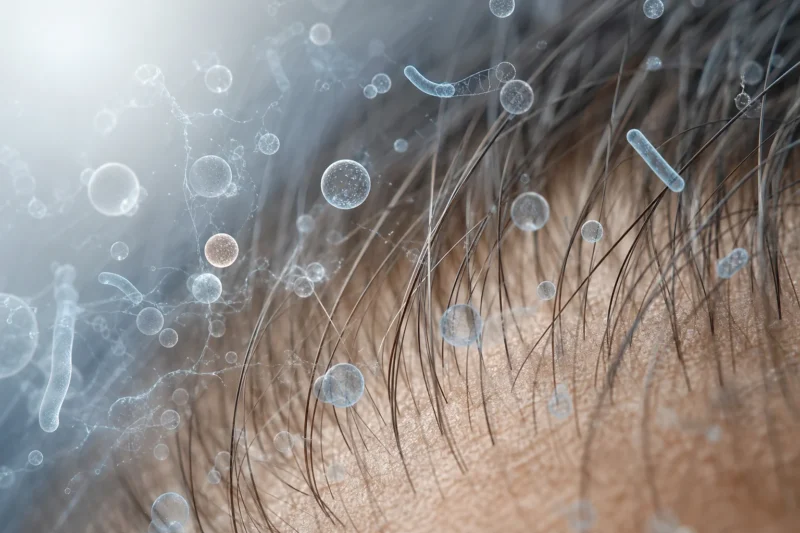
Oily scalps, with built-up sebum and products, offer a favourable environment for bacteria and yeast. Washing as often as your scalp needs is part of prevention — see oily scalp and dry ends. The balance of the scalp’s microbiota also counts, as I explain in the scalp microbiome.
What can scalp therapy do?
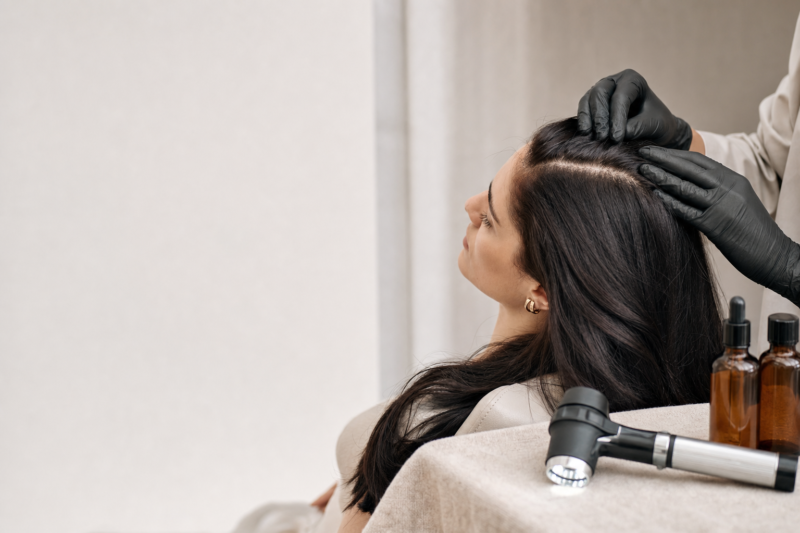
With active folliculitis — pus, pain or intense inflammation — referral to a dermatologist comes first; no exfoliation, vigorous massage or devices over active lesions. After medical clearance, scalp therapy can support with:
- trichoscopy to track progress;
- proper cleansing and protocols for oiliness;
- devices with an antiseptic action, when indicated and cleared;
- guidance on washing, drying and products;
- photo records to show the doctor at follow-up appointments.
When should you see a dermatologist?
See a doctor if:
- the bumps hurt, contain pus or are spreading;
- the condition does not improve in 1 to 2 weeks with basic care;
- the lesions keep coming back;
- there are areas of hair loss, scarring or a shiny scalp;
- you have a fever, swollen glands in the neck or feel unwell;
- you have diabetes or low immunity.
Frequently asked questions
Some forms caused by bacteria or fungi can spread through shared towels, combs, caps and razors. Until you have a diagnosis, avoid sharing personal items.
Most mild cases do not cause permanent hair loss. Deep, recurrent or very inflamed forms can damage the follicle and leave bald areas, so they need prompt medical assessment.
No. Squeezing or scratching can spread the infection, deepen the inflammation and leave marks or scars. Keep the area clean and see a dermatologist.
It depends on the cause, which only a doctor can determine. Antiseptic or antifungal shampoos are recommended in some cases; in others, topical or oral antibiotics. Avoid self-treating with strong products.
A calm scalp, with follow-up
If you live with bumps that come and go, the solution starts with the right diagnosis and continues with your routine. In the Hair & Scalp Therapy Consultation, I take your history and perform trichoscopy, refer you to a dermatologist when there are signs of infection and, after medical clearance, build a cleansing and care protocol to keep your scalp balanced.
I want to look after my scalp →
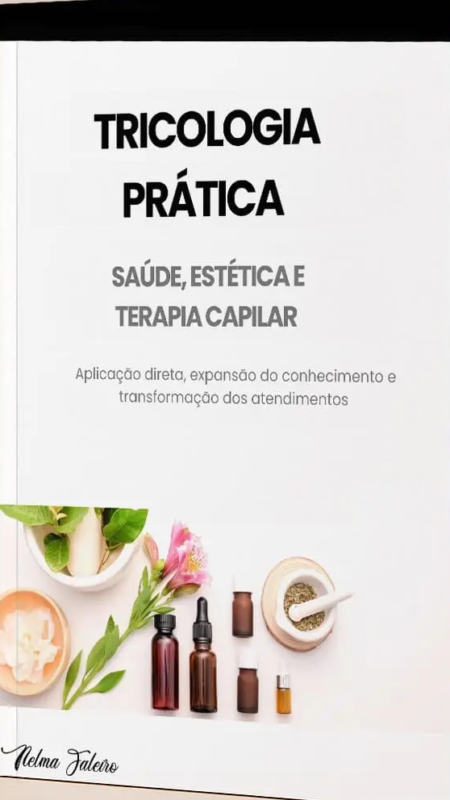
A beauty professional? The Practical Trichology e-book helps you recognise folliculitis and other disorders during assessment and know when not to perform procedures.
Nelma Faleiro holds a specialisation in Cosmetic Trichology (Faculdades Oswaldo Cruz) and a degree in Visagism and Hair Therapy Technology from Anhembi Morumbi University, where she taught for 10 years. Educational content: it does not replace medical advice.